

Jesus Heals the Leper
Jesus has just left a time of prayer and continues His mission, proclaiming the kingdom of God throughout Galilee. His fame is spreading, His words draw crowds, and His authority over sickness and demons astonishes many. Then, a solitary man approaches—not from the crowd, but from the edges of society—someone no one else would dare touch.
The Leper’s Desperation
This man is not only sick—he’s an outcast. In the ancient world, leprosy was more than disease; it was a life of isolation. Lepers lived outside cities, avoided all contact, and cried “Unclean!” if anyone came near. They were treated as the living dead, cut off from community, worship, and hope.
Yet this man dares to approach Jesus, breaking every social rule. He shouldn’t be near healthy people—especially not a teacher or holy man. But his desperation outweighs his fear.
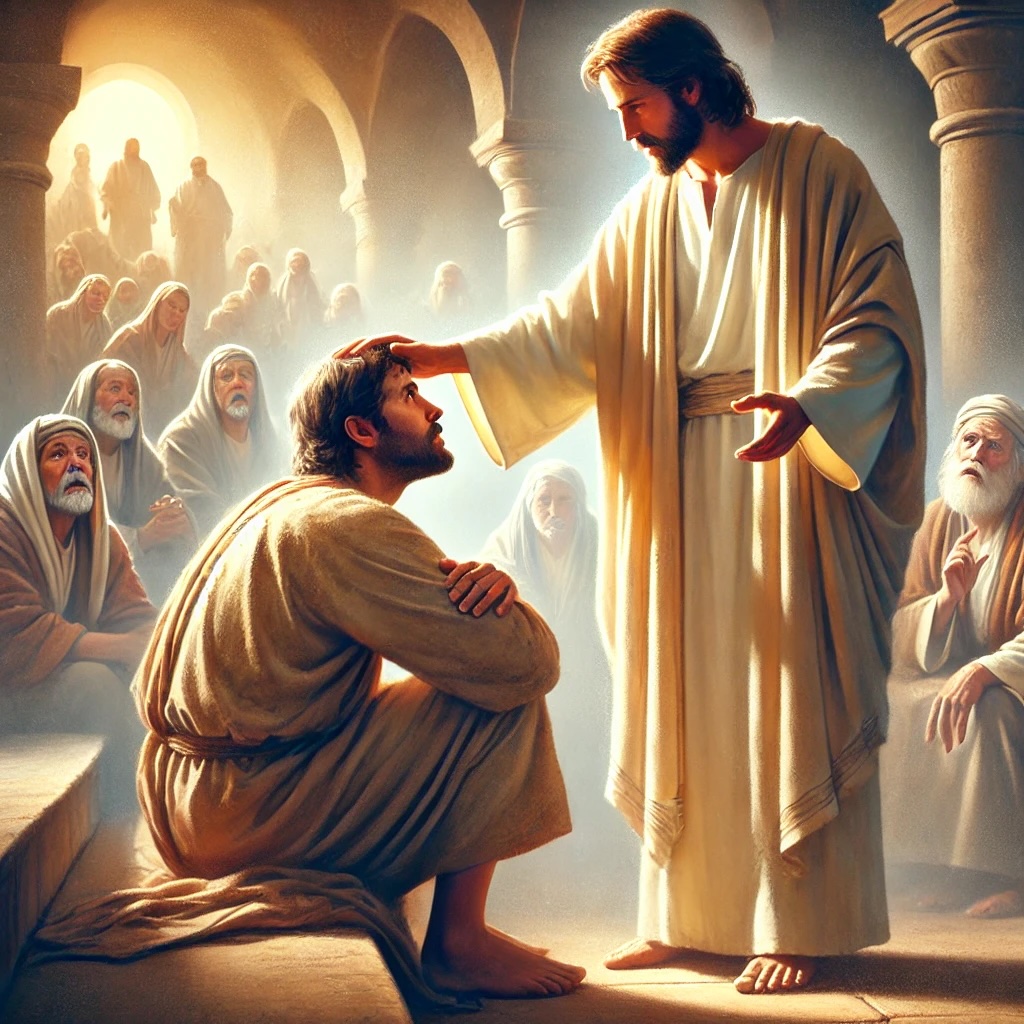
He doesn’t demand healing or presume a response. He kneels and says, “If you will, you can make me clean.”
There is no doubt that Jesus can—only uncertainty about whether He will.
This captures the heart of human suffering: We believe in God’s power, but we struggle with His willingness.
Does He see us?
Does He care?
Will He answer?

And then—Jesus moves.
The Compassion of Jesus
Mark says Jesus is moved with pity (Greek: splagchnistheis)—a deep, gut-level compassion.
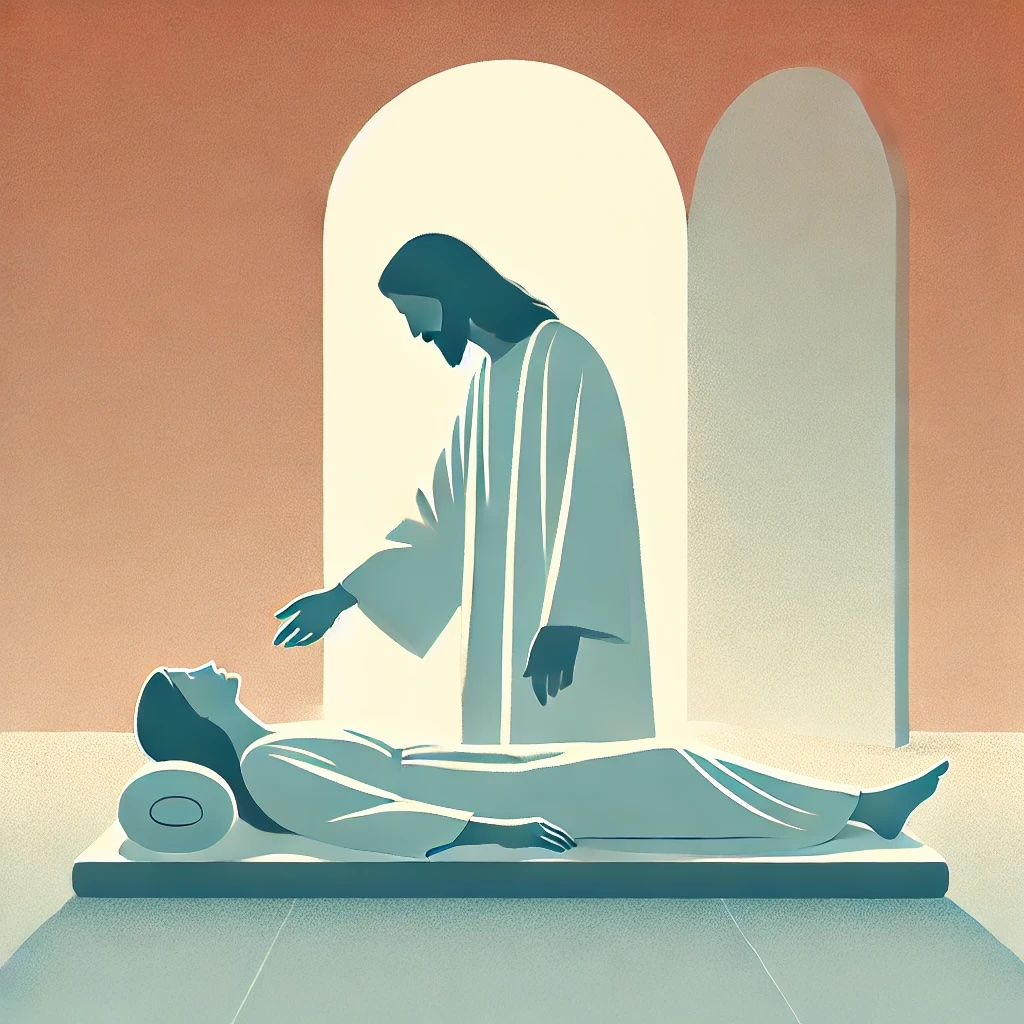
Jesus doesn’t hesitate. He reaches out and touches the man, then says, “I will; be clean.”
This is radical. He could have healed with a word, as He’s done before. But He chooses to touch the untouchable.
It may be the first human contact the leper has felt in years. No one else would come near—but Jesus moves toward him.
In this moment, Jesus is doing more than healing a disease—He’s restoring a person.
He removes suffering and restores dignity. He doesn’t just heal; He embraces.
Immediately, the man is made clean.
Obedience and Disobedience
Jesus gives a clear command:
“Say nothing to anyone, but go show yourself to the priest and offer what Moses commanded.”
Why? Because only a priest could declare someone clean and allow them back into society (Leviticus 14). Healing wasn’t enough—he needed to be officially restored.
But the man disobeys.
He spreads the news freely, overwhelmed by joy after years of pain and shame.
Understandable—but it has consequences.
Jesus can no longer enter towns openly. He remains in desolate places, the very spaces lepers once occupied.
In a way, Jesus trades places with the man.
The leper is restored to society; Jesus is pushed into isolation.
This foreshadows the ultimate exchange—when Jesus will take on all human sin and suffering at the cross, so we might be free.
What This Means for Us
Jesus is willing. That’s the core truth here. The leper didn’t doubt Jesus’ power—just His desire.
Jesus’ response makes it clear: I do want to.
We ask the same today. We believe God can—but we wonder if He wants to.
This story says yes. He touches what others avoid. He embraces what’s rejected.
He steps into our suffering, to heal and restore.
If you’ve ever felt unwanted, unworthy, or too broken for grace—this is for you.
Jesus isn’t repelled by your wounds or ashamed of your scars. He’s moved by them. He wants to make you whole.
True healing restores more than the body.
Jesus didn’t just remove disease—He gave the man his place back in the world.
He restores identity, dignity, and belonging.
Grace Disrupts
The man’s disobedience changes Jesus’ ministry. Grace is rarely tidy—it spreads, disrupts, and transforms.
But in the end, it always points us back to Jesus.
And so, we find ourselves where the leper once knelt, saying:
“If you will, you can make me clean.”
And Jesus, without hesitation, reaches out and says:
“I will; be clean.”
The question is never His willingness—only our readiness to receive.



 Vita Dinamica: Dynamic Life