
It is not comfortable to be in the wilderness. It is empty, crude, and fraught with doubt. John the Baptist, however, emerges in the desert and cries forth a message that has endured throughout history: Prepare the way of the Lord. His voice does not emanate from the center of religious authority or the corridors of power. Rather, he invites individuals to enter a moment of transformation by standing where few would dare to live.
John makes it clear that repentance and renewal are necessary. He makes no promises of immediate reform or an easy path forward. Instead, John exhorts people to plunge into the waters of baptism. He urges them to immerse themselves in the Jordan. They should let go of things that no longer serve them. His baptism is a symbolic act of readiness. It is a prelude to something bigger, which they do not yet completely comprehend. It is not merely a physical act of cleaning.
According to the Gospel of Mark, John wore camel’s hair, a garment that is symbolic of the prophet Elijah, who was to arrive before the Lord’s great and awful day. His existence marks a watershed in history. Something new is emerging as the old fades. But letting go is necessary before embracing the new. People travel to him for this reason from all around Jerusalem and Judea. The wilderness, the discomfort of introspection, and the prospect of rejuvenation all appeal to them.
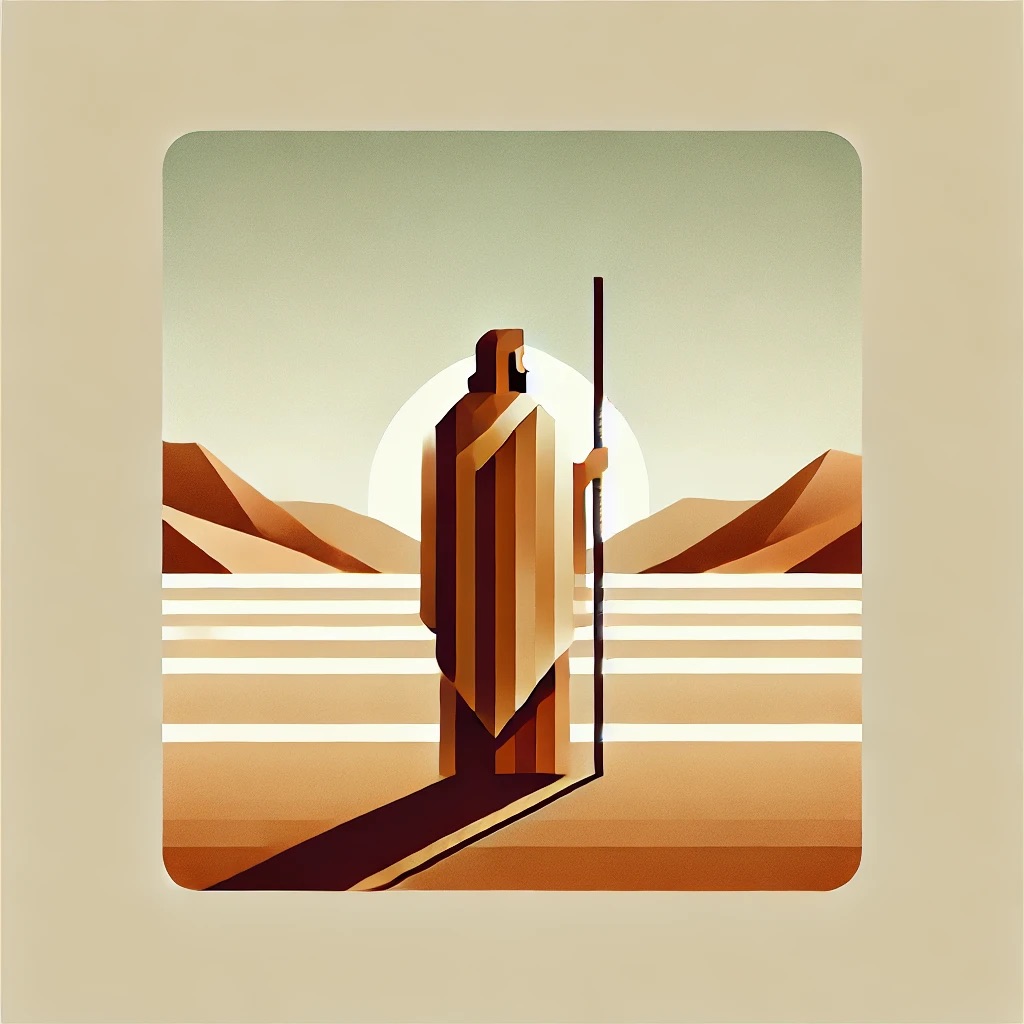
John doesn’t talk about himself. One who is stronger than I, whose sandals’ strap I am not worthy of untying, follows me. He is aware that his position is only transitory and that his job is to make room for someone else. He is remarkably humble. John is happy to remain in the background during a period when religious leaders were vying for attention and authority, pointing to the one who will be baptized with the Holy Spirit rather than water.
The necessity of preparing for change before it can truly take hold is a common theme in this passage. No change occurs in a vacuum. We must face our past and look to the future, just as the people in John’s day did. Without having to put forth the effort to create space for it, it is simple to yearn for something new. We wish for rejuvenation but oppose the purification. We desire a new beginning, but not the wilderness that frequently accompanies it.
Μετάνοια (metanoia), the Greek term for repentance, is more than just feeling sad for past transgressions. It signifies a reorientation of one’s entire being, a complete shift of mind and heart. This is an active turning, a conscious decision to take a different course, rather than merely an emotional reaction. Repentance is realigning—realizing what is broken and allowing it to be fixed—rather than wallowing in guilt.
Therefore, the wilderness is more than just a location on a map. It is a soul-related condition. It is where we go when we are lost, when life deprives us of our illusions, and when we have to face the truth. It is in the unnerving grandeur of the unknown, rather than the comfort of the known, that transformation starts. Nevertheless, Mark informs us that the people voluntarily support John. They look for him because they must, not because the wilderness is simple.
Maybe this is where we are right now, on the brink of something new, knowing that something has to change but not knowing how to start. We can still hear John’s voice saying, “Set the path.” However, how do we get ready? How can repentance manifest itself in our daily lives?
The necessity of letting go
For some, it might be about letting go of burdens that have been held for too long. These include regrets, past injuries, or lingering anxieties. For others, it can entail identifying the habits that have prevented them from moving forward. They need to realize what needs to be addressed. Openness, not perfection, is the hallmark of true preparation. It’s about creating room for the future, even if we don’t fully comprehend it yet.
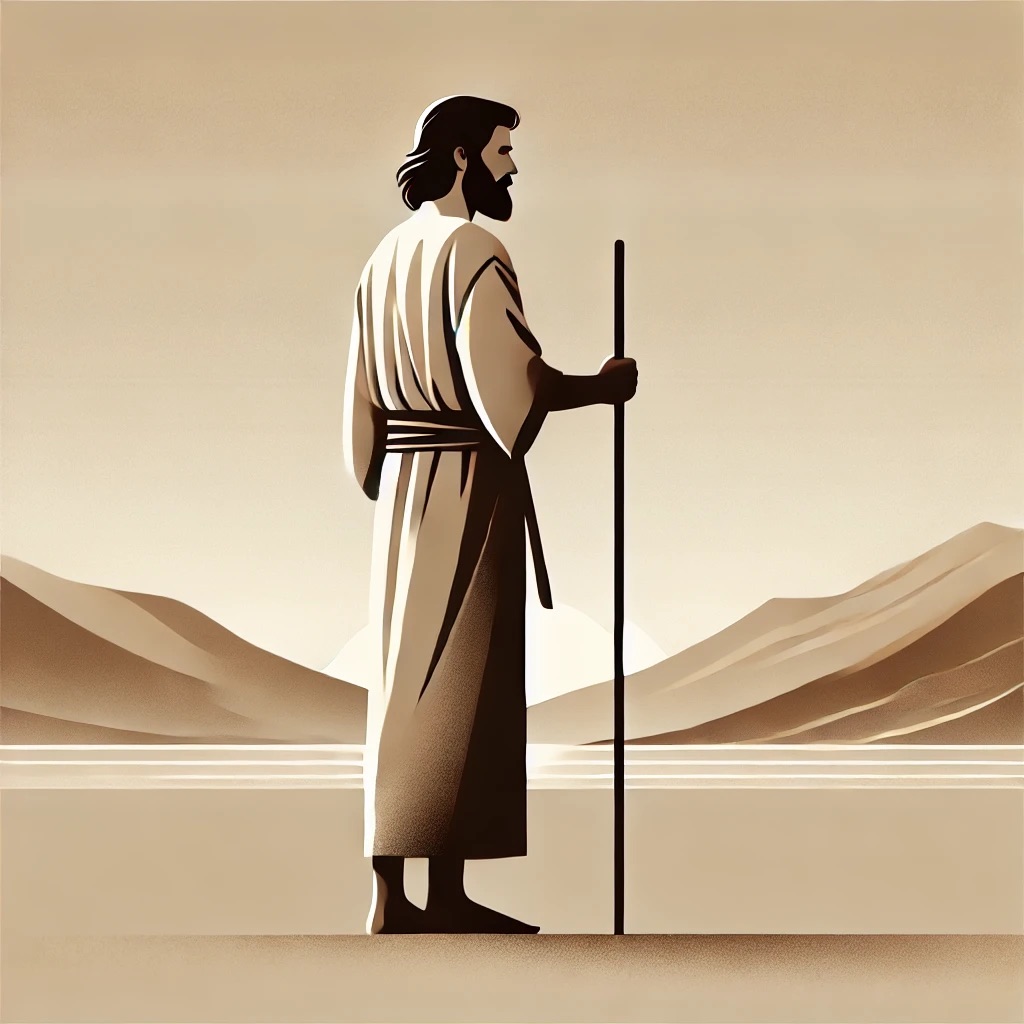
“Repentance is a reorientation of one’s entire being, a complete shift of mind and heart“
John informs the people that Jesus is close by, but they must purify their hearts before they can accept him. This is an internal metamorphosis rather than an outward ceremony. The impending one will immerse people in God’s own presence by baptizing them with the Holy Spirit. However, we must first leave the old in order to immerse ourselves in the new. We are unable to hold onto both simultaneously.
John would probably say the same thing if he spoke to us now. They would interrupt the din of everyday existence, urging us to stop, look around, and become ready. He would tell us that we must accept what we are leaving behind before we can fully welcome what lies ahead. He would welcome us into the woods as a place of enlightenment and rejuvenation rather than as a place of punishment.
The outdoors is sacred yet uncomfortable. Distractions disappear there, all that is untrue is eliminated, and the reality of who we are and who we are becoming becomes apparent. In order to be ready to accept the greater when he arrives, we must first prepare our hearts and straighten the road.
Thus, the question still stands: What needs to be resolved in your life before you may proceed? What needs to be let go, admitted, or given up for regeneration to begin? Just like in John’s day, the invitation is now available. The call is still the same. Clear the path.
Are you going to advance?






 Vita Dinamica: Dynamic Life