

Illusions of Love & the Voices We Ignore
A Warning Not Wanting to Hear
Chapter 5 of The Picture of Dorian Gray marks a change in the prism of the book. We transition from the brilliant world of Dorian and his new ideas. We then enter the quieter, humbler lives of Sibyl Vane and her family. Still, something quite general takes place in this slower environment. Most of us know this feeling too well. Someone we love gets caught in a dream. We are unable to wake them up. This chapter catches that moment.
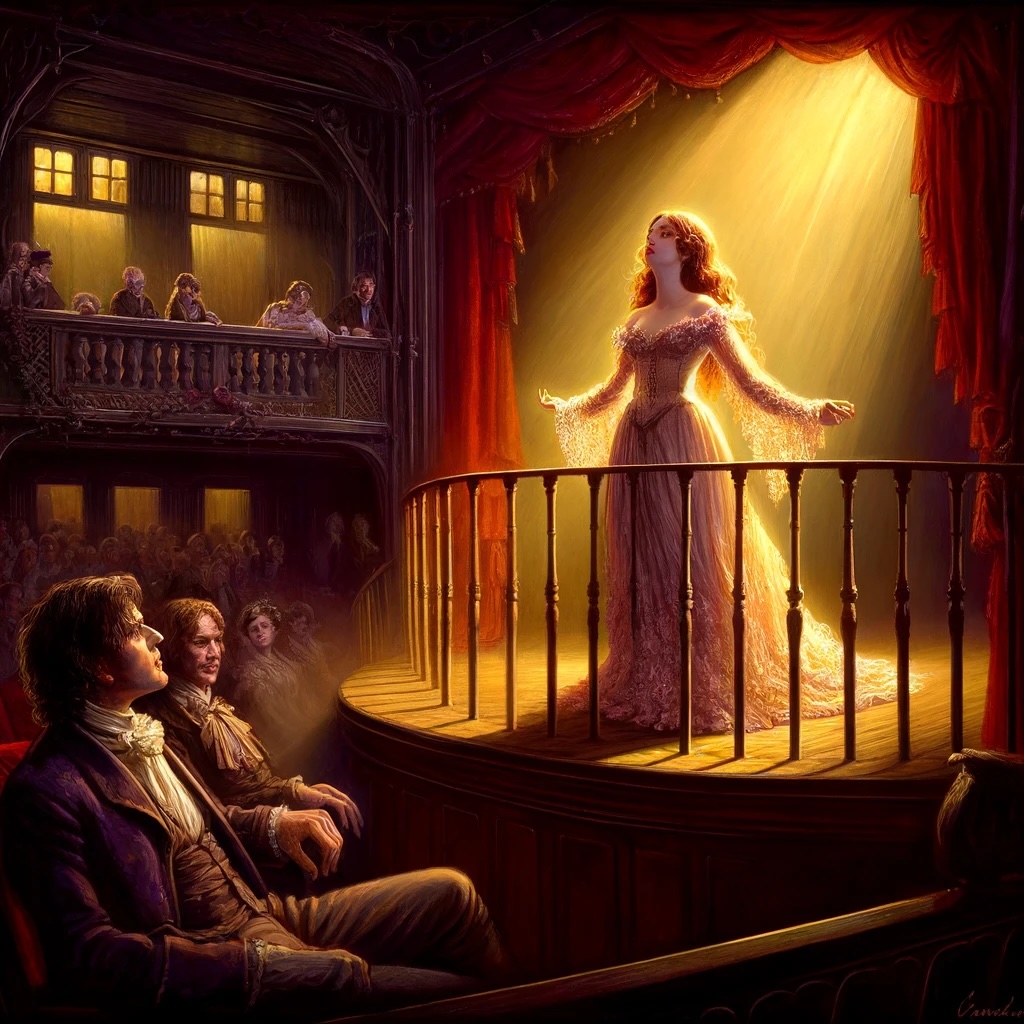
Dorian for Sibyl is more than just a man. He is a fantasy prince. He is a lyrical force sweeping her from the dusty theatrical wings into the bright prospect of a new life. She refers to him as “Prince Charming.” She talks of him in language so dramatic and elevated. We start to question if she is really in love with Dorian—or with the part she is currently playing.
And maybe that is the point.
Love as illusion: dream of Sibyl
Sibyl says, her eyes clear with conviction, “To be in love is to surpass oneself.” And here Wilde catches the core of romantic optimism. Sibyl wants to be changed by love. She wants to live inside a myth. She wishes to become more than she is through the simple power of dedication. She does not want to love someone actual.
Not unusual at all is this. Many of us, particularly young people, think that love will transform us, save us, finish us. Sibyl’s narrative cautions us. We run the danger of making the other person invisible when we elevate love. Dorian is no royal despite all his beauty. Already formed by Lord Henry’s frigid ideas, he is a man spiraling into vanity. He is the storm, not the one Sibyl imagines as the rescuer.
James Vane’s Warning: The Voice of Reality

James, brother of Sibyl, notices it. Though he may not talk in poetry and may be harsh around the margins, he loves Sibyl with a clarity that contrasts dramatically with her fantasies. He tells her, not with drama but with truth, “If he ever does you any wrong, I shall kill him.” His affection does not fit dream. It is honest, defensive, and agonizing.
James has something quite modern about him. When we are too enchanted to listen, he is the voice of reality. He is that friend, brother, or mentor trying to tell us, “Something isn’t right here.” At some point, everyone has been Sibyl. We ignore the advice. We want the dream too strongly to let go.
Many of us have also been the protector. We watch someone walk into heartbreak, and we remain mute. Our voice is muffled by the music of their fantasy. James is no exception.
The Pragmatic Mother: Love as a Transaction
Then Mrs. Vane comes first. Not really a villain but not a hero either. Her view is based on survival. She sees the connection as a ticket out of poverty. It is a pragmatic transaction wrapped in silk and hope. Therefore, she is not against it. James should not forget that we are impoverished, she reminds him.
This episode transports us to the realm of social realism. Mrs. Vane accepts Dorian not because she is naïve to danger but rather because she cannot afford to care. The only lifeline the family has is her daughter’s romantic future, hence this also is a tragedy. She does not lack affection for Sibyl; rather, in the face of social constraint, security must yield to sincerity.
In modern words, this reflects how social expectations, financial pressure, or even family needs could influence people. They might stay in relationships that appear nice on the surface. However, these relationships feel bad within.

Reading this chapter through the lens of personal growth and bibliotherapy, we see ourselves in every character. Sibyl, swept away by fantasy. James, burdened by truth no one wants to hear. Mrs. Vane, balancing hope and survival.
The lesson here isn’t that love is bad. It’s that love, when ungrounded, can become dangerous. It can blind us, isolate us, and make us ignore the voices that are trying to protect us.
This is a chapter not just about romantic love, but about the kind of love that saves us—and the kind that destroys us.
Personal Reflection: What Voices Have You Ignored?
As you sit with this chapter, ask yourself:
- Have you ever fallen for someone—or something—not because of who they were, but because of what they represented to you?
- Has anyone ever warned you about a situation that you didn’t want to hear? Were they right?
- Who in your life plays the role of James Vane—the one who tells you the truth even when it’s hard?
- Are there ways you idealize people or relationships that prevent you from seeing them clearly?
Journaling Prompt:
Write about a time when someone tried to protect you from something you couldn’t see. How did you react then? How do you view it now?


 Vita Dinamica: Dynamic Life