
Who Are We Beneath the Surface?
At the beginning of The Picture of Dorian Gray, we meet a young man who is both innocent and extraordinary. Dorian Gray is beautiful, untouched by corruption, and unaware of the power his appearance holds over others. He is admired, even adored, by the painter Basil Hallward, who sees him not just as a man, but as art itself—pure, untainted, a masterpiece of nature.
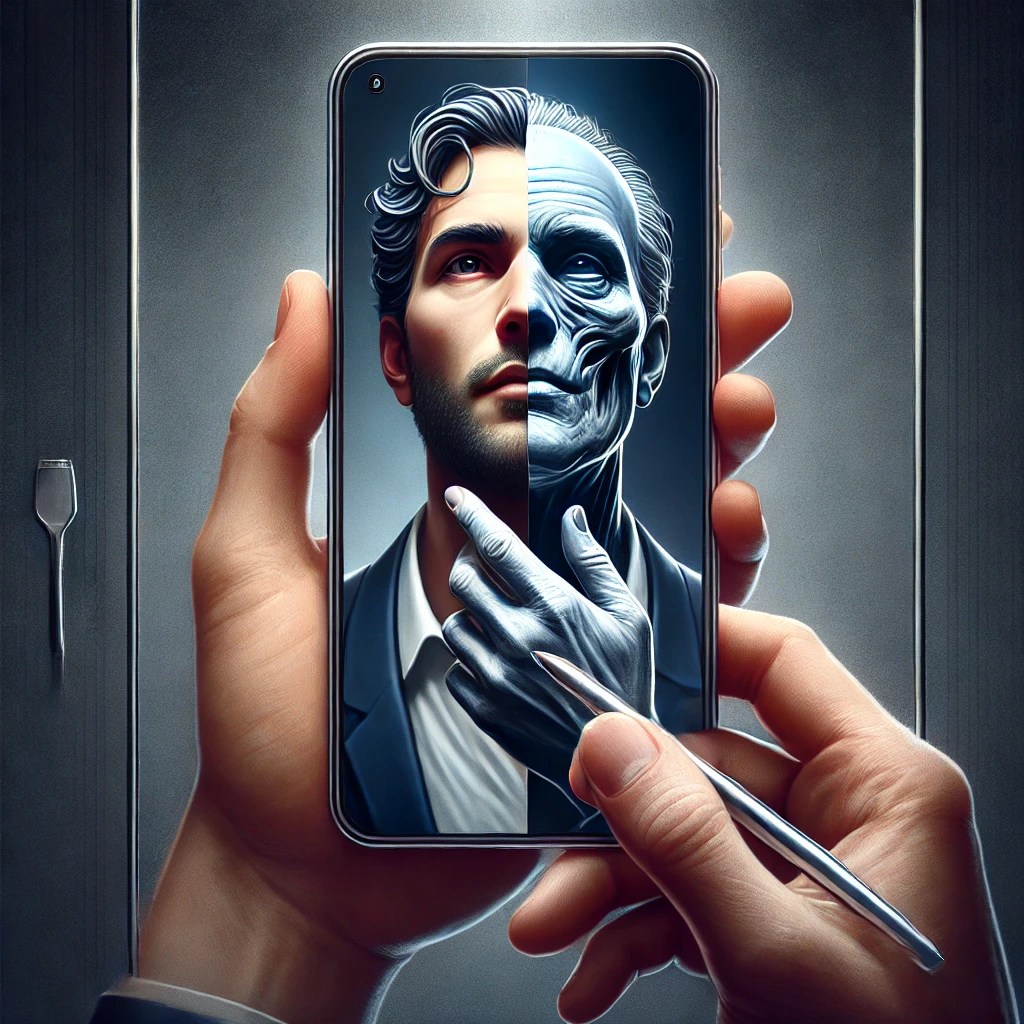
But then enters Lord Henry Wotton, and with him, a whisper of temptation.
What begins as a simple afternoon in a painter’s studio quickly turns into something more—a moment of awakening, a shift in perspective that will change the course of Dorian’s life. Henry does not see Dorian as pure; he sees him as malleable, an unshaped soul waiting to be influenced. With calculated charm, he introduces Dorian to a dangerous philosophy:
“Nothing matters except youth and pleasure.”
“Aging is a tragedy.”
“Morality is a burden invented to suppress desire.”
For the first time, Dorian looks at his portrait not with admiration, but with fear. The painting—glorious, perfect, eternal—will remain young forever, while he, the real Dorian, will wither and decay. And so, he makes a wish that will define his fate:
“If it were I who was always to be young, and the picture that was to grow old! For that—I would give everything!”
This is the first turning point in Dorian’s journey—the moment vanity is born. He is still innocent, but the seeds of corruption have been planted. He does not yet understand what this wish will cost him, but he has taken the first step toward valuing appearance over authenticity, pleasure over principle, self-image over true identity.
The Masks We Wear: What Dorian’s Awakening Teaches Us
Dorian is not the only one who wears a mask.
We all present different versions of ourselves to the world. Sometimes, we craft an image based on what we believe will make us more loved, more accepted, more admired. We learn, from childhood, how to perform—how to say the right things, smile at the right moments, and hide what makes us feel vulnerable.
But what happens when we become so attached to that image that we start to lose sight of who we really are?
This is where self-coaching and bibliotherapy become powerful tools. Dorian’s journey offers us a chance to ask:
- How do we present ourselves to the world vs. who we truly are?
- Have we ever compromised a part of ourselves in order to be accepted?
- What happens when we value external approval more than inner truth?
We are not bound to follow Dorian’s path. Unlike him, we have the ability to pause, reflect, and make conscious choices about how we define our worth.
Self-Reflection Exercise: The Hidden Self
Take a moment to write in your journal or reflect quietly.
- Think of a time when you hid a part of yourself from others.
- Why did you feel the need to do so? Was it to avoid judgment, to maintain an image, to fit in?
- How did it feel to hold back that part of yourself? Did it bring relief, or did it create distance between you and others?
- Looking back, what would you say to your younger self in that moment?
This is not an exercise in judgment, but in awareness. Dorian’s story teaches us that when we prioritize the illusion of perfection over authenticity, we risk losing something much greater than beauty—we risk losing ourselves.
Moving Forward: Awareness & Choice
Dorian Gray is still at the beginning of his journey. He has not yet fallen, but he has been introduced to the idea that beauty is power and morality is a restriction. This moment is pivotal—not just in the novel, but in real life.
Every day, we are faced with choices about how we present ourselves. Do we act based on what feels true, or do we let external pressures define us? Do we chase admiration at the cost of authenticity, or do we dare to be seen as we are—flawed, real, human?
Unlike Dorian, we do not have a portrait to absorb the consequences of our choices. But we do have awareness, and with awareness comes the ability to shape our own paths.
So ask yourself—who are you beneath the surface?
And are you willing to let the world see that person?
Let’s read. Let’s reflect. Let’s grow.
 Vita Dinamica: Dynamic Life