
Author: Stanislao Esposito

  • 02. Prepare the way (Mark 1:2-4)

    It is not comfortable to be in the wilderness. It is empty, crude, and fraught with doubt. John the Baptist, however, emerges in the desert and cries forth a message that has endured throughout history: Prepare the way of the Lord. His voice does not emanate from the center of religious authority or the corridors of power. Rather, he invites individuals to enter a moment of transformation by standing where few would dare to live.

    John makes it clear that repentance and renewal are necessary. He makes no promises of immediate reform or an easy path forward. Instead, John exhorts people to plunge into the waters of baptism. He urges them to immerse themselves in the Jordan. They should let go of things that no longer serve them. His baptism is a symbolic act of readiness. It is a prelude to something bigger, which they do not yet completely comprehend. It is not merely a physical act of cleaning.

    According to the Gospel of Mark, John wore camel’s hair, a garment that is symbolic of the prophet Elijah, who was to arrive before the Lord’s great and awful day. His existence marks a watershed in history. Something new is emerging as the old fades. But letting go is necessary before embracing the new. People travel to him for this reason from all around Jerusalem and Judea. The wilderness, the discomfort of introspection, and the prospect of rejuvenation all appeal to them.



    John doesn’t talk about himself. One who is stronger than I, whose sandals’ strap I am not worthy of untying, follows me. He is aware that his position is only transitory and that his job is to make room for someone else. He is remarkably humble. John is happy to remain in the background during a period when religious leaders were vying for attention and authority, pointing to the one who will be baptized with the Holy Spirit rather than water.

    The necessity of preparing for change before it can truly take hold is a common theme in this passage. No change occurs in a vacuum. We must face our past and look to the future, just as the people in John’s day did. Without having to put forth the effort to create space for it, it is simple to yearn for something new. We wish for rejuvenation but oppose the purification. We desire a new beginning, but not the wilderness that frequently accompanies it.

    Μετάνοια (metanoia), the Greek term for repentance, is more than just feeling sad for past transgressions. It signifies a reorientation of one’s entire being, a complete shift of mind and heart. This is an active turning, a conscious decision to take a different course, rather than merely an emotional reaction. Repentance is realigning—realizing what is broken and allowing it to be fixed—rather than wallowing in guilt.

    Therefore, the wilderness is more than just a location on a map. It is a soul-related condition. It is where we go when we are lost, when life deprives us of our illusions, and when we have to face the truth. It is in the unnerving grandeur of the unknown, rather than the comfort of the known, that transformation starts. Nevertheless, Mark informs us that the people voluntarily support John. They look for him because they must, not because the wilderness is simple.

    Maybe this is where we are right now, on the brink of something new, knowing that something has to change but not knowing how to start. We can still hear John’s voice saying, “Set the path.” However, how do we get ready? How can repentance manifest itself in our daily lives?

    The necessity of letting go


    For some, it might be about letting go of burdens that have been held for too long. These include regrets, past injuries, or lingering anxieties. For others, it can entail identifying the habits that have prevented them from moving forward. They need to realize what needs to be addressed. Openness, not perfection, is the hallmark of true preparation. It’s about creating room for the future, even if we don’t fully comprehend it yet.
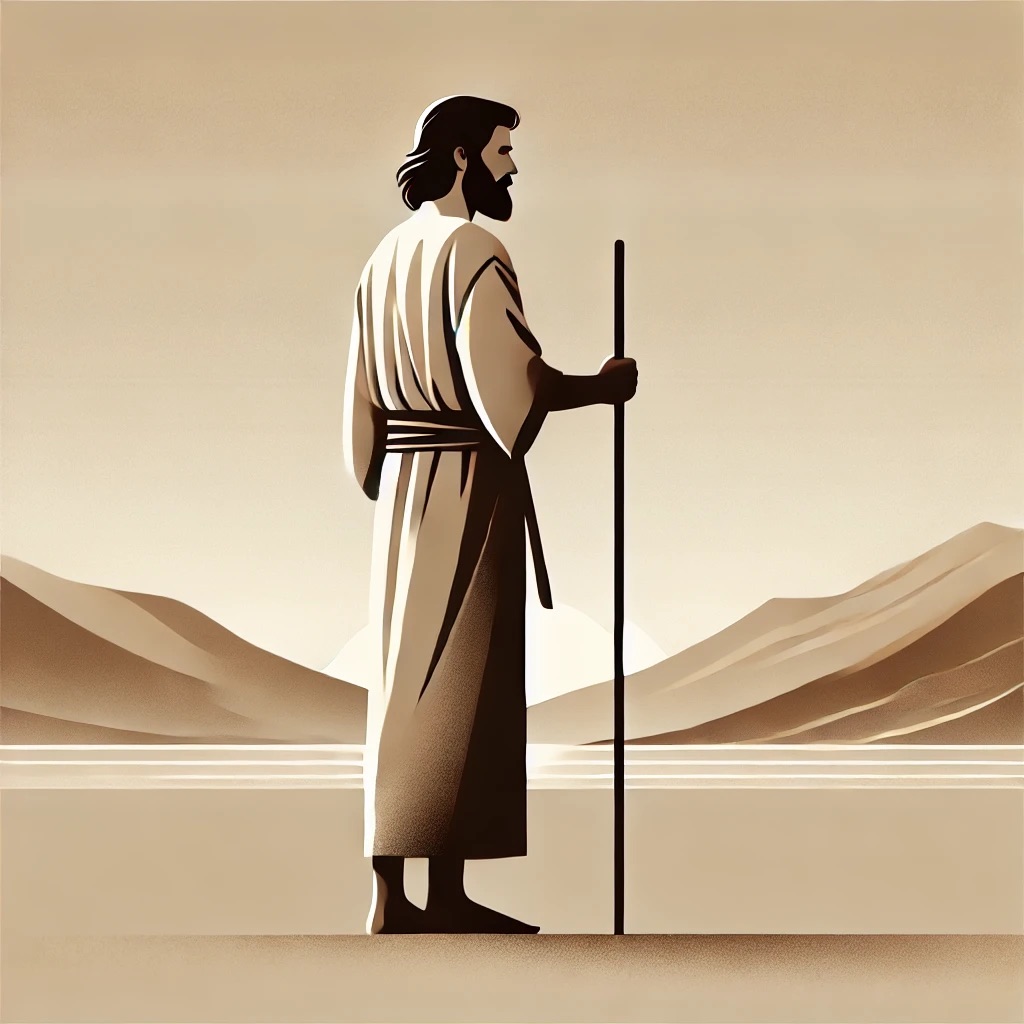
    Repentance is a reorientation of one’s entire being, a complete shift of mind and heart


    John informs the people that Jesus is close by, but they must purify their hearts before they can accept him. This is an internal metamorphosis rather than an outward ceremony. The impending one will immerse people in God’s own presence by baptizing them with the Holy Spirit. However, we must first leave the old in order to immerse ourselves in the new. We are unable to hold onto both simultaneously.

    John would probably say the same thing if he spoke to us now. They would interrupt the din of everyday existence, urging us to stop, look around, and become ready. He would tell us that we must accept what we are leaving behind before we can fully welcome what lies ahead. He would welcome us into the woods as a place of enlightenment and rejuvenation rather than as a place of punishment.

    The outdoors is sacred yet uncomfortable. Distractions disappear there, all that is untrue is eliminated, and the reality of who we are and who we are becoming becomes apparent. In order to be ready to accept the greater when he arrives, we must first prepare our hearts and straighten the road.

    Thus, the question still stands: What needs to be resolved in your life before you may proceed? What needs to be let go, admitted, or given up for regeneration to begin? Just like in John’s day, the invitation is now available. The call is still the same. Clear the path.

    Are you going to advance?


  • 04: Living the Present Moment… in the Morning

    Mindful Mornings: Starting Your Day with Presence and Peace

    The way the day goes starts in the morning. Thoughts, sleep, and job transition speed all affect how we feel in the coming hours. Many of us wake up and check our phones right away, eat breakfast quickly, or get right to work. Mindful mornings offer an alternative—a way to start the day with awareness, purpose, and a strong sense of being present.

    “A thoughtful morning is about seeing mornings as a holy time.”

    Why a Mindful Start Is Important
    A thoughtful morning doesn’t mean adding more things to our already full plates. Instead, it means giving our full attention to the things we are already doing. It’s about finding quiet times. It’s about learning to be thankful. It’s about seeing the morning as a holy time. It’s not just a list of things that need to be done quickly.

    A lot of spiritual groups stress how important it is to do things every morning. According to Christianity, Jesus would get up early to pray (Mark 1:35). For Buddhists, mindfulness practice in the morning is a way to calm down before going out into the world. For people of many religions and philosophies, morning is a time of renewal. It’s a chance to start over. It’s an opportunity to live life with focus and purpose.


    Easy Ways to Have a Mindful Morning


    1. Be thankful when you wake up.

    Take a moment to think before you jump out of bed. Take a deep breath. Say a simple prayer of thanks. Do this instead of picking up your phone or thinking about your list of things to do that day.

    The way the day goes starts in the morning.

    • “Thank you, God, for the gift of this new day.”
    • “Today I welcome with joy and trust.”
    • “Let me be fully present in every moment I come across.”

    See the day as a gift. This change in mindset shifts your attitude from worry to gratitude. It sets a positive tone for the hours to come.


    2. Breathing and stretching with awareness

    Take a moment to connect with your breath before you get busy with the day’s tasks. Mindful breathing helps you stay in the present, whether you’re sitting still, relaxing, or saying a few quiet prayers.

     • Inhale deeply for four counts. Hold your breath for four counts. Exhale slowly for four counts.
    • Saying a short phrase out loud with each breath: “Take a deep breath in and let go of tension.”
    • You should stretch gently while paying attention to every move and feeling.

    It helps to wake up the body with awareness and ease. This is better than stress and a sense of needing to get things done right away.


    3. Stick to a morning routine for a reason.

    You could start doing small, important things every morning that will help you feel calm and reflective. For example, you could start your day by reading a short section of Scripture or an encouraging quote.

    • Writing down three things you’re grateful for in a gratitude notebook.
    • Drink your coffee or tea with full awareness, noticing the warmth, smell, and taste.
    • Make a promise to yourself for the day. It could be “Today, I will listen with patience.” Or say, “I will face every challenge with grace.”

    The important thing is that these routines are simple and personal, like a habit that doesn’t feel forced.


    4. Pay attention to the present moment.

    The morning rush often places us in a state of autopilot. We repeat the same actions without truly noticing them. Being present can be as easy as paying attention to how water feels when you take a shower.
    Before going outside, take a deep breath and feel the air on your face.
    I am taking time to listen to the morning sounds. These include birds singing, the hum of a quiet house, and the rustling of leaves.
    Each of these times can become a holy pause. These pauses help us remember that life is happening right now. It is not happening as we rush to get to the next thing.


    5. Give God your day.

    Spend one last minute giving thanks to God for the day before getting back to work, duties, and responsibilities. You could accomplish this by praying simply,

    · “Help me see You in everyone I meet.”
    • “Let love and presence do my work.”

    “Lord, guide my words, thoughts, and actions today.”

    With this moment of surrender, you set the goal. You aim to go through the day with love, mindfulness, and a connection to God.


    Ready to enjoy the gift of the morning?

    A mindful morning doesn’t have to be perfect or involve a lot of routines. The idea is to start the day with openness, thanks, and a sense of self. Every small act of presence counts. This could be being still for a moment, taking a mindful breath, or praying from the heart. Each leads to a greater sense of peace.

    May you bring this awareness with you all day. Carry it not just in the quiet of the morning. Hold it in every moment after that.


  • Mark 1:1

    1.1  “The Beginning of the Good News of Jesus Christ, the Son of God”

    A Reflection

    Mark 1:1 proclaims: “The beginning of the Good News of Jesus Christ, the Son of God.” Each word in this verse carries profound theological and philosophical significance, shaping not only the Gospel’s narrative but also the very foundation of Christian faith. This single sentence is an invitation into a new beginning, an introduction to Good News, a revelation of Jesus Christ, and a declaration of His divine identity as the Son of God. To understand it fully, we must explore how these elements interconnect into a single, transformative reality.

    1. The Beginning: The Moment of Creation and Renewal

    A beginning is never just a starting point—it is the birthplace of transformation. Just as Genesis 1:1 describes the creation of the universe, Mark 1:1 announces a new creation, a divine eruption into history. The Good News does not simply start with Jesus; He is the beginning—the arche, the source from which all things flow.

    Beginnings are moments of possibility and renewal, where something new emerges from nothingness. They introduce form where there was formlessness, structure where there was chaos, and meaning where there was emptiness. To say that the Gospel begins is to say that God is doing something new—not just in history, but in the lives of those who hear it. This is not just a story unfolding; it is an invitation to step into a transformed life.

    2. The Good News: More Than a Message, a Living Reality

    The Good News is not merely information; it is an event, a proclamation, a transformative encounter. News, by definition, changes reality—it alters perception, reshapes understanding, and demands a response. But what makes news good? It is not simply the fulfillment of human desire but a revelation of the ultimate truth, the ultimate good.

    The Good News of Jesus Christ is good not because it brings temporary relief, but because it reorders human existence, offering hope, salvation, and a new way of being. It is the resolution of humanity’s deepest uncertainty—the longing for meaning, for reconciliation with God, for eternal life.

    Yet, news can be unsettling. Just as good news for one person might be disruptive for another, the Gospel challenges old ways of living. It comforts the brokenhearted but unsettles those who cling to power, to pride, to self-sufficiency. The Good News invites us to let go of the old and embrace the new, but such an invitation requires courage, humility, and faith.

    The Good News of Jesus Christ is good not because it brings temporary relief, but because it reorders human existence

    3. Jesus Christ: The Center, Perimeter, and Radius of the Good News

    The Good News is not just about Jesus; it is by Jesus and belongs to Jesus. He is both the messenger and the message, the Word made flesh. To say that the Gospel is of Jesus Christ is to acknowledge that He is its center, its source, and its fulfillment.

    The name Jesus (Yeshua) means “God saves.” His very name declares His mission: to bring salvation. The title Christ (Messiah) affirms Him as the anointed one—the fulfillment of God’s promises, the long-awaited king who reigns not by force, but by sacrificial love.

    Everything in the Gospel is about Jesus, but more than that, everything is done by Him and through Him. He does not merely announce a new way of life; He is the way, the truth, and the life (John 14:6). Accepting the Good News is not just believing in a message—it is entering into a relationship with a Person, the one who embodies and owns the message itself.

    4. The Son of God: The Divine Identity of Jesus

    The title “Son of God” is the key to understanding who Jesus is and why His Good News matters. In ancient thought, to be a “son” meant to share in the essence, mission, and authority of the father. To call Jesus the Son of God is to declare that He is not just a prophet or a teacher, but that He shares in God’s very nature.

    Just as a son carries forward his father’s work, Jesus is the full revelation of the Father—His character, His love, His justice. He does not simply speak about God; He is God made visible.

    But His sonship is also a call to relationship. Jesus, the Son of God, opens the door for us to become children of God (John 1:12). He invites us to share in His sonship—to be adopted into the divine family, to enter into communion with God through Him.

    5. The Unified Meaning: An Invitation to Transformation

    Mark 1:1 is not just an introduction to a book—it is an invitation to step into a new life.

    • It is a beginning—a moment of renewal, where the old passes away and something new is born.
    • It is Good News—not just information, but transformation, a truth that changes everything.
    • It is of Jesus Christ—centered in Him, proclaimed by Him, and belonging to Him alone.
    • It is the proclamation of the Son of God—a revelation of who Jesus is and what He offers to those who accept Him.

    To embrace this verse fully is to embrace the reality it declares. It means recognizing that the story of Jesus is not just something to read, but something to live. It is an invitation to step into a new beginning, to be shaped by the Good News, to be drawn into the life of Jesus Christ, and to discover our own identity as children of God.

    The beginning has been announced. The Good News is proclaimed. Jesus Christ, the Son of God, stands before us.

    The only question is: How will we respond?

    1. What is a “beginning” in my life that changed me profoundly? How did it shape who I am today?
    2. How do I feel about the idea that every moment is an opportunity to begin again? Where in my life do I need a fresh start?
    3. What does Good News mean to me? What is the best news I have ever received, and how did it change my perspective?
    4. How does the Good News of Jesus differ from the “good news” the world offers?
    5. What does it mean to be a son or daughter of someone? How does this shape my understanding of Jesus as the Son of God?
    6. What is one practical step I can take this week to live out the reality of the Good News in my life?

  • Mark 1:1-13

    Mark 1:1-13

    The Power of New Beginning

    The first part of Mark’s Gospel is very urgent and strong, announcing a new beginning right away. Matthew and Luke both begin with Jesus’ family history and birth, but Mark goes straight to His work in public life. Mark’s opening, which is so clear and to the point, shows how Christian life works: it’s an active life, not an observational one; it’s a call to move, believe, and go into doubt. Mark’s beginning announces a new life that comes from moving, having faith, and facing uncertainty.

    It starts with “The beginning of the gospel of Jesus Christ, Son of God.” These words start a story, but they do it in a bigger and more meaningful way. They start a miracle story all over again. Mark’s use of “the beginning” forces us to see an event in a bigger context—not just another event in a schedule, but a fresh start for a change. When you start a new trip, you’re going into the unknown. You’re also starting a journey of growth, not a quick-fix accomplishment. Any moment in time offers a chance to start over, a chance to move forward in hope.

    People often get stuck and don’t do anything because they don’t want to move forward because of failures in the past or fear about the future. In Mark’s Gospel, it is taught that everything starts out in a messy, unsure, and sometimes rough way. But these kinds of starts have a lot of promise. Beginning is a faith-based act that means you are ready for change even though you can’t see the way ahead. You shouldn’t wait for everything to be right before taking the first step.

    Many people don’t start a new project because they don’t feel ready. They think they need to get everything right first. Mark’s Gospel, on the other hand, doesn’t start with perfection, but with action. Jesus doesn’t wait for the right time to do something; instead, he goes to work on purpose. Just the fact that it’s so important is a lesson. If we don’t start when we’re not ready, then maybe we won’t start at all. That’s a lesson in hope. That doesn’t mean being totally ready; it means having faith that God will meet us where we are when we’re ready to move forward.


    The word “the beginning” makes you think of movement. Faith is not a state of being still; it requires action. We must consciously move toward change if we want to grow spiritually, emotionally, and mentally. Having hope in something, no matter how small, can start a big change. You can make the first move at any time, because the present is a holy moment full of possibilities.

    Every morning is a fresh start. We can change our state of mind just by knowing that. To change our course, we can take a deep breath, pause, and remember that today is a fresh start, a chance to hold on to hope without fear. By looking at life as a trip that is still to be taken, we can figure out what motivates and holds us. Knowing that heart-led change is possible with every breath, we can let go of fear, doubt, and regret and replace them with hope and rebirth. New starts are a theme that runs through the Bible: Genesis begins with the words “In the beginning, God created…” This is how life came into the world from nothing. After the flood, Noah and his family landed on dry land, joining a world that had never been made before. The Israelites were freed from slavery during the Exodus. They were given a fresh start in a free land. The rising of Jesus made a fresh start, turning death into life. All of these things tell us that God is always making new things. We always have the chance to start a new life, no matter how bad things get.

    Mark’s Gospel isn’t just a story about what happened; it’s also a personal call to start over. Every new moment gives us a chance to start over, whether we’re starting a new job, going through a tough time, or just wanting a fresh start in life. Not by changing things in the outside world, but by going through a deep change on the inside, letting go of what holds us back and moving toward what God wants us to move toward.

    If you want to walk by faith, you have to take one step, even if you don’t know where you’re going. There is no such thing as overnight growth or instant change. It happens slowly and over time, even if you accept and take one step at a time. God met Noah after the flood, led the Israelites through the desert, and raised Jesus from the dead. Just like that, He meets us at the start of every new day, giving us grace, strength, and the knowledge that we are not alone.

    Trust is needed to start over. You have to be ready to let go of your need to know and believe in your faith in the not knowing. We need to let kindness fill in the gaps where we feel like we’re not good enough. It means seeing the present as holy and believing that God is at work, even if we can’t see the results yet. No matter what we go through or how hard things get, we always have the chance to start over. Mark 1:1 isn’t the beginning of the Gospel; it’s a call to change. It’s not a question of whether we’re ready; it’s a question of whether we’re willing. Long-term travelers all start with one step. Even though things will never be perfect, God’s kindness is always there, ready to help us take that first step. The offer is right in front of us.

    Will we take it and get ready for a fresh start?

  • Dawn: A New Light of Fraternity and Hope

    Dawn is more than just the beginning of a new day; it is a symbol of renewal, unity, and the promise of transformation. Across spiritual traditions and cultures, dawn carries deep meaning—it is the light that dispels darkness, the moment of awakening, the call to a new way of living. Within the vision of Fratelli Tutti, dawn becomes a powerful metaphor for fraternity, justice, and peace—the light we are called to carry into a world that too often remains in division and indifference.

    Dawn as a Spiritual Awakening

    In Christianity, dawn symbolizes resurrection and new beginnings. The Gospel tells us that Jesus rose “early in the morning, on the first day of the week” (Mark 16:2), revealing that light always triumphs over darkness. Similarly, in Hinduism, the Brahma Muhurta—the time just before sunrise—is considered the most sacred hour for prayer, meditation, and connection with the divine. It is believed that at this time, the mind is clearest and the soul most receptive to wisdom.

    Islam also emphasizes the spiritual power of dawn—the first prayer of the day, Fajr, takes place in the quiet hours before sunrise, symbolizing the renewal of faith and the turning of the heart toward God. In Buddhism, the dawn is a reminder of impermanence and mindfulness—each day is new, offering a fresh opportunity to cultivate compassion and wisdom.

    In Fratelli Tutti, Pope Francis calls us to a similar awakening—to rise from the sleep of indifference and embrace fraternity as a daily commitment. Like the dawn, love and justice must not be postponed but lived now, bringing warmth to a world often cold with division.

    Dawn and the Stranger: Seeing the Other in a New Light

    Dawn does not belong to one nation or one people; it rises for all. In the same way, fraternity calls us to recognize that every person is our brother or sister.

    In African traditions, dawn is a time for storytelling and wisdom-sharing, as elders gather the community to pass down knowledge. The Zulu concept of Ubuntu—*”I am because we are”—*expresses the reality that our humanity is interconnected. The light of dawn reminds us that no one flourishes alone, and that fraternity is not just an ideal but a necessity.

    This echoes the parable of the Good Samaritan, which Pope Francis highlights in Fratelli Tutti. The Samaritan does not ask whether the wounded man is of his people—he simply sees him as a fellow human being and acts. Like the rising sun that shines on both friend and stranger, fraternity calls us to see beyond differences, beyond borders, beyond divisions.

    In Native American traditions, dawn is a sacred time for prayer and gratitude. The Lakota people greet the morning sun with the words “Mitákuye Oyás’iŋ”—*”All my relations”—*recognizing that all of creation is connected. How different would our world be if we, too, started each day acknowledging the sacred bond between all people, all nations, all creatures?

    A Call to Rise and Act

    Dawn does not wait for permission to rise—it moves, it spreads, it transforms the sky. So, too, must we bring the light of fraternity into action:

    • Can we rise above resentment and offer forgiveness?
    • Can we step out of comfort zones to accompany those in need?
    • Can we commit to small daily acts of fraternity that build a culture of peace?

    In Japanese tradition, the rising sun is a symbol of renewal and perseverance—no matter how dark the night, the dawn always returns. Let this be our model: a daily renewal of our commitment to fraternity, justice, and love.

    As the first rays of sunlight stretch across the horizon, let us ask:

    What dawn is waiting to rise in my heart today?

    Let us not simply admire the light—let us become it.

    Mantra: “Rise with love, embrace the world.”


  • Walking Beside Others: The Art of True Companionship

    Side by side we walk as one

    Introduction

    To walk beside someone means more than just being physically present—it is about offering support, companionship, and presence on life’s journey. It is the art of sharing burdens and joys, ensuring that no one travels alone. Whether in friendships, mentorships, or love, walking beside someone is an act of devotion that strengthens both the one who accompanies and the one being accompanied.

    In spiritual traditions, cultural values, and daily life, walking alongside others reflects the essence of trust, guidance, and mutual growth. It is not about leading or following but about walking side by side, offering presence without overpowering, and support without controlling. Let’s explore the deeper meaning of companionship, how we can embody it in our relationships, and how it enriches our own spiritual and emotional growth.

    Walking Beside Others in Spiritual, Cultural, and Social Wisdom

    Spiritual Perspectives

    Many religious and philosophical traditions emphasize the importance of companionship. Christianity teaches the value of walking with others in faith: “Bear one another’s burdens, and so fulfill the law of Christ.” (Galatians 6:2). Jesus himself walked beside his disciples, not as a ruler but as a guide and friend.

    In Buddhism, the concept of Sangha (spiritual community) highlights how support and presence are essential for personal and collective enlightenment. Taoist wisdom encourages people to flow like water, moving alongside others without force, embracing harmony in relationships.

    The Sufi path speaks of spiritual mentorship, where the teacher walks alongside the seeker, offering light but allowing them to find their own truth. Indigenous traditions honor the wisdom of elders and the role of the community in guiding younger generations, ensuring no one is left behind.

    Cultural & Social Perspectives

    Throughout history, walking beside others has shaped how communities function. In Italian culture, it is expressed in strong family bonds, friendships built over time, and the deep sense of responsibility to accompany loved ones through life’s challenges. In African traditions, the Ubuntu philosophy—“I am because we are”—reflects the power of mutual support.

    In Japanese culture, the Senpai-Kohai relationship is an example of mentorship, where knowledge is passed down through close guidance. In modern psychology, emotional support is recognized as a key factor in resilience—those who feel accompanied in life are more likely to thrive.

    True companionship is not just about being present in joyful moments but also about standing firm through hardships. It means listening without judgment, guiding without forcing, and holding space for others to grow at their own pace.

    Reflection & Meditation: The Art of Walking Beside Someone

    Guided Reflection Questions

    • Who do I walk beside in my life, and who walks beside me?

    • Am I fully present when I support others, or am I distracted by my own expectations?

    • How do I balance guidance with allowing someone to grow on their own path?

    • In what ways do I walk beside myself—do I offer self-compassion, or do I neglect my own emotional needs?

    Meditation Practices

    A simple yet profound meditation is the Walking Together Visualization. Close your eyes and imagine yourself walking on a path. Notice who is beside you. Feel their presence, their support, and the energy of companionship. Now visualize yourself walking beside someone who needs your support. Offer them silent encouragement and love, knowing you are not here to lead or follow, but to walk with them.

    Another practice is Mindful Listening Meditation. The next time you are in conversation with someone, practice deep listening. Instead of preparing your response, simply be present. Let them feel that they are not alone, that they are truly seen and heard.

    Affirmations to cultivate the spirit of walking beside others:

    • I offer my presence with love and patience.

    • I walk beside others without controlling their journey.

    • I am supported, and I support others in return.

    • True companionship is about presence, not direction.

    Living the Art of Walking Beside Others:

    Companionship is not about leading or following—it is about being there, step by step. In daily life, we can embody this wisdom by practicing deep presence. When we are with others, let’s put away distractions and truly listen—not just to their words, but to their emotions, their unspoken fears, and their silent hopes.

    Equally important is learning to receive companionship. Many of us struggle with accepting support, fearing it makes us weak or dependent. But allowing others to walk beside us is an act of trust, a reminder that we are not meant to walk alone.

    Simple rituals can reinforce the spirit of companionship. Checking in with loved ones can build deeper bonds. Walking side by side in silence can offer more comfort than words. Creating spaces for shared reflection, whether through storytelling, listening circles, or quiet moments together, invites others into a space of belonging.

    Final Thought

    To walk beside someone and to be accompanied in return is one of the most sacred aspects of human life. It is the bridge between isolation and connection, fear and love. In every moment, we have the opportunity to walk alongside others, to be present, to offer our light. And in doing so, we realize that we, too, are never truly alone.

    Life is not a solitary path. It is a journey of companionship, of hands reaching out, of hearts walking together. And in this simple yet profound act, we find the deepest truth:

    “Side by side, we walk as one”

  • The Wisdom of Water

    Flowing, Cleansing, and Renewing Life

    Introduction

    Water is one of the most powerful forces in nature, yet it is also one of the most gentle. It flows effortlessly, adapting to its surroundings, carving mountains over time, and nurturing all forms of life. Across spiritual traditions, cultural beliefs, and human history, water has symbolized purification, renewal, and transformation. It teaches us how to flow with life, release resistance, and embrace change.

    More than just a physical necessity, water holds deep symbolic meaning. It represents rebirth in Christianity, purification in Hinduism, mindfulness in Buddhism, and divine sustenance in Islam. Water is life itself, flowing through all living things, reminding us of our interconnectedness. In this article, we will explore the spiritual and cultural significance of water, followed by practical ways to embody its wisdom in our daily lives.

    Water as a Symbol in Spiritual and Cultural Traditions

    Throughout history, water has been regarded as sacred and transformative. In Christianity, water plays a central role in baptism, symbolizing spiritual cleansing and rebirth. Jesus himself said, “Whoever drinks the water I give them will never thirst.” (John 4:14), signifying divine fulfillment. Hinduism considers rivers, especially the Ganges, to be sacred, carrying the power to purify sins.

    In Buddhism, water represents the flow of life, teaching that change is constant and that resistance only leads to suffering. Taoism echoes this idea, encouraging people to “be like water”—soft yet strong, yielding yet unstoppable. The Quran also acknowledges the divine importance of water, stating, “We made from water every living thing.” (Surah Al-Anbiya 21:30).

    Indigenous cultures across the world treat water as a living entity, deserving of respect and protection. Many Native American tribes honor water as the lifeblood of the Earth, believing it holds healing and spiritual energy. In African traditions, water is associated with fertility, renewal, and the divine feminine.

    Beyond its spiritual meaning, water has shaped human civilization. Ancient cultures settled near rivers and lakes, recognizing water as the foundation of life, agriculture, and trade. Even today, modern societies emphasize the importance of water conservation and access to clean water as a fundamental human right.

    Reflection & Meditation: Embracing the Wisdom of Water

    Water invites us to reflect on how we navigate life’s challenges. Do we flow with circumstances, or do we resist change? Do we allow ourselves to be cleansed and renewed, or do we hold onto emotional burdens?

    Guided Reflection Questions

    • How does water manifest in my daily life—physically, emotionally, and spiritually?
    • Am I allowing myself to flow with life, or am I struggling against its current?
    • How can I cultivate purity, adaptability, and renewal in my thoughts and actions?
    • In what ways can I express gratitude for water, ensuring I do not take it for granted?

    Living the Wisdom of Water in Daily Life

    Water is a teacher. It reminds us to be gentle yet powerful, adaptable yet persistent. In daily life, we can embody the wisdom of water by practicing flexibility and mindfulness, allowing ourselves to move with life instead of against it.

    One way to practice this is through conscious cleansing. Begin your day by mindfully washing your hands or taking a shower, visualizing negativity being washed away. Drink water slowly, savoring its life-giving properties.

    We can also learn from water’s resilience. Water does not resist obstacles; it flows around them. When faced with challenges, instead of resisting, ask yourself: How can I move through this situation with grace?

    On a practical level, honoring water means conserving it and protecting natural water sources. Small actions—reducing waste, supporting clean water initiatives, or simply being mindful of consumption—can have a meaningful impact.

    Final Thought

    Water is more than just an element—it is a spiritual guide, a force of renewal, and a symbol of life’s continuous flow. When we learn from water, we learn to adapt, cleanse, and surrender to the rhythm of existence.

    Let us move through life with the wisdom of water—flowing, soft yet strong, embracing change rather than fearing it. In moments of uncertainty, may we remember the lesson of the river:

    It does not resist. It flows. And in doing so, it carves its own path.

    My Mantra:

    “Flowing free, I trust the tide.”


  • Side by side, we rise in Love

    The Art of Accompaniment: Walking Together in Love and Presence

    In a world that often emphasizes independence and self-reliance, we sometimes forget the profound need for accompaniment—walking alongside others with presence, love, and support. From ancient traditions to modern psychology, accompaniment has been recognized as a transformative force that nurtures healing, growth, and human connection.

    Side by side, we rise in Love

    Life presents moments when we need guidance—through loss, change, or uncertainty. There are also times when we are called to accompany others, offering them our presence as they navigate their journey. The beauty of accompaniment is its reciprocity: when we walk with another, we are never alone.

    Accompaniment is woven into the fabric of cultures, religions, and everyday experiences. It is in the hands of a mentor guiding a student, the quiet presence of a friend in grief, the unspoken understanding between kindred souls, and the unwavering love of a parent nurturing a child. True accompaniment does not seek to fix but simply to be—a sacred presence that reassures and uplifts.

    Accompaniment in Spiritual, Cultural, and Social Wisdom

    Across spiritual traditions, accompaniment is a recurring theme. Christianity sees companionship as a sacred duty, a testament to love and service. The Bible teaches, “Two are better than one, because they have a good return for their labor: If either falls, one can help the other up.” (Ecclesiastes 4:9-10). Jesus himself embodied accompaniment, walking with his disciples and offering his presence to the lost, reminding them that they were never alone. – Mk 6:7

    Buddhism emphasizes Sangha, the spiritual community, as essential for enlightenment. Growth is not a solitary pursuit but a shared experience. In Sufi mysticism, the relationship between a seeker and a Murshid (spiritual guide) reflects deep love and wisdom—the guide illuminates the path, allowing the seeker to discover their own truth.

    Indigenous traditions uphold accompaniment as a way of life. Elders guide younger generations through stories, wisdom, and presence, not through force but by walking alongside them. The understanding that no one walks alone is deeply rooted in Indigenous communities, where people, ancestors, and nature itself provide continuous support.

    Beyond religious traditions, cultures around the world recognize the power of accompaniment. In Italy, accompagnamento is not merely presence but attentiveness and warmth, expressed through shared meals and deep conversation. In Africa, Ubuntu philosophy affirms, “I am because we are,” highlighting that our identities are shaped by relationships, not isolation. In Japan, the tradition of Senpai and Kohai fosters a culture of mentorship, where experienced individuals guide younger ones, creating a cycle of wisdom-sharing.

    Even modern psychology highlights the power of emotional support. Studies show that having someone who listens—not to fix but simply to be present—strengthens resilience, healing, and emotional well-being. The presence of a true companion, whether a friend, mentor, or therapist, can be more transformative than any solution.

    Reflection & Meditation: Deepening Our Understanding of Accompaniment

    To accompany someone is not to lead or to solve, but to walk beside them in their struggles, joys, and uncertainties. True accompaniment requires presence, patience, and deep listening. Yet, to fully offer this to others, we must first examine our own relationship with accompaniment.

    Who do we accompany in life, and who accompanies us? Are we fully present, or do we fill space with distractions and words? Do we allow ourselves to be accompanied, or do we resist support out of pride or fear? How do we accompany ourselves—do we extend kindness and patience inward, or are we quick to abandon ourselves in moments of struggle?

    These questions help us explore our role in the lives of others and in our own inner world. Through reflection and meditation, we cultivate deeper awareness of how we show up for others and how we allow others to show up for us.

    A simple yet powerful practice is the Breath of Support meditation. With each inhale, visualize receiving support from loved ones, the universe, or unseen guiding forces. With each exhale, imagine offering that same support to someone else. This rhythmic exchange reminds us that accompaniment is an ongoing cycle of giving and receiving.

    Another practice is the Compassion Walk. Walk mindfully, either alone or with another, and reflect on those who have walked with you through challenges. Offer silent gratitude for their presence. If walking with someone, listen deeply, speak with intention, and embrace the silences with understanding.

    A powerful affirmation to carry into daily life is: I walk with love, I walk with care. I am never alone; I am always accompanied by life’s grace. Repeating these words in solitude can serve as a reminder that accompaniment is always present, even in silence.

    Living the Art of Accompaniment

    Accompaniment is not limited to grand gestures; it is found in the smallest acts of love. It is in the quiet text checking in on a friend, in the stillness of sitting beside someone grieving, in the patience of a mentor guiding a student, in the shared laughter of souls who understand each other.

    To practice accompaniment in daily life, we must cultivate presence. When with others, put away distractions and listen—not just to words but to emotions, unspoken fears, and silent hopes. Accompaniment is about creating a space where people feel seen, valued, and understood.

    Equally important is learning to accept accompaniment. Many of us struggle with receiving help, fearing it makes us weak or dependent. Yet allowing ourselves to be accompanied is an act of trust, an acknowledgment that we are worthy of support. Walking together does not diminish our strength—it amplifies it.

    Simple rituals can reinforce the spirit of accompaniment. A daily practice of checking in with loved ones builds deeper bonds. Walking mindfully with someone, without the rush of schedules or the need for conversation, fosters a profound sense of connection. Creating a sacred space—whether through shared meals, listening circles, or storytelling—invites others into a space of belonging.

    To accompany and to be accompanied is one of the most sacred aspects of human life. It is the bridge between isolation and connection, between fear and love. In every moment, we have the opportunity to walk beside someone, to be present, to offer our light. And in doing so, we realize that we, too, are never truly alone.

    Accompaniment is the music of existence, the gentle melody that plays as we journey together through love, loss, growth, and transformation. It is in the whispered reassurance of a friend, the guiding hand of a mentor, the quiet presence of a companion. It is in the simple yet powerful truth:

    Side by side, we rise in love.

  • Confronting the Baobabs of Life and Embracing the Melancholy of Sunsets (chapters 5 & 6)

    In the wonderful world of “The Little Prince” by Antoine de Saint-Exupéry, we discover two significant elements that can enrich our journey of personal growth: the baobabs and the melancholy. Both represent challenges and opportunities for inner growth and discovering the true meaning of our existence.

    1. The Drama of the Baobabs: Uprooting the Weeds of the Soul

    Baobabs, characteristic trees of tropical regions in Africa and other parts of the world, offer us a valuable lesson. They are known as the “trees of life” or “bottle trees” due to their unique shape and their ability to store large amounts of water in their trunks.

    These mighty trees symbolize something that can take over our lives, such as habits or opinions that start innocently but over time, have a profound impact on who we are and how we relate to others. They may become deeply rooted beliefs that influence our judgments of others or obsessions that limit our social and family life.

    To grow inwardly, we must identify these “little plants” and nurture the positive ones while uprooting the negative ones. Like the sheep in the story, our journey of personal growth helps us “eat” the harmful weeds. It is a journey that requires discipline and daily routines of self-exploration. We must decide which plants to water with love and which ones to eliminate with determination.

    Allowing our sheep to feed on these weeds daily is a commitment we must embrace urgently. Personal growth cannot wait. It is a path that needs to be cultivated with dedication and determination, so that we may discover the true meaning of our existence.

    2. Melancholy and the Beauty of Sunsets

    Melancholy is a complex and profound mood, characterized by sadness, nostalgia, and melancholy. It is not necessarily negative, as it can lead us to explore the depths of our being. It may arise as we look within ourselves, driven by the desire for a fuller and more dynamic life, yet at the same time, fearing to let go of something we have held in our hearts for a long time.

    Melancholy may make us see the world in shades of gray or even black, but just like a captivating sunset, it can reveal the beauty of vivid and brilliant colors of life. Watching a sunset can be a soothing and inspiring experience, conveying a sense of beauty, tranquility, and serenity.

    The ever-changing and transient beauty of sunsets reminds us that life is an ever-changing work of art. Watching a sunset offers us a space for self-reflection and inner contemplation, putting our experiences into perspective and helping us embrace the ephemeral nature of life.

    However, it is essential to remember that the perception of melancholy and the effect of sunsets on it may vary from person to person. Each of us reacts to external experiences differently. What may provide relief and inspiration to one person may not be as significant to another.

    Therefore, as we look at the baobabs and reflect on melancholy, we must remember that our journey of personal growth is unique. Exploring different strategies and practices that guide us towards an authentic and fulfilling life is crucial. Let us embrace our path of growth with love and care, so that we may nurture our internal and external planet, allowing it to flourish in all its splendor. Remember that if your melancholy becomes too strong and interferes with your life and relationships, consider talking with a professional.